
How to Plan a Multi-Room Interior Repaint Without Losing the Use of Your House
Painting one empty bedroom is straightforward. Painting a living room, kitchen, stairway, and several bedrooms while you still live in the house is a different problem.
The paint matters, but the plan matters first. A good multi-room project answers three questions before work begins:
- Exactly what is being painted and repaired?
- In what order will the rooms be completed?
- What parts of the house need to remain usable each day?
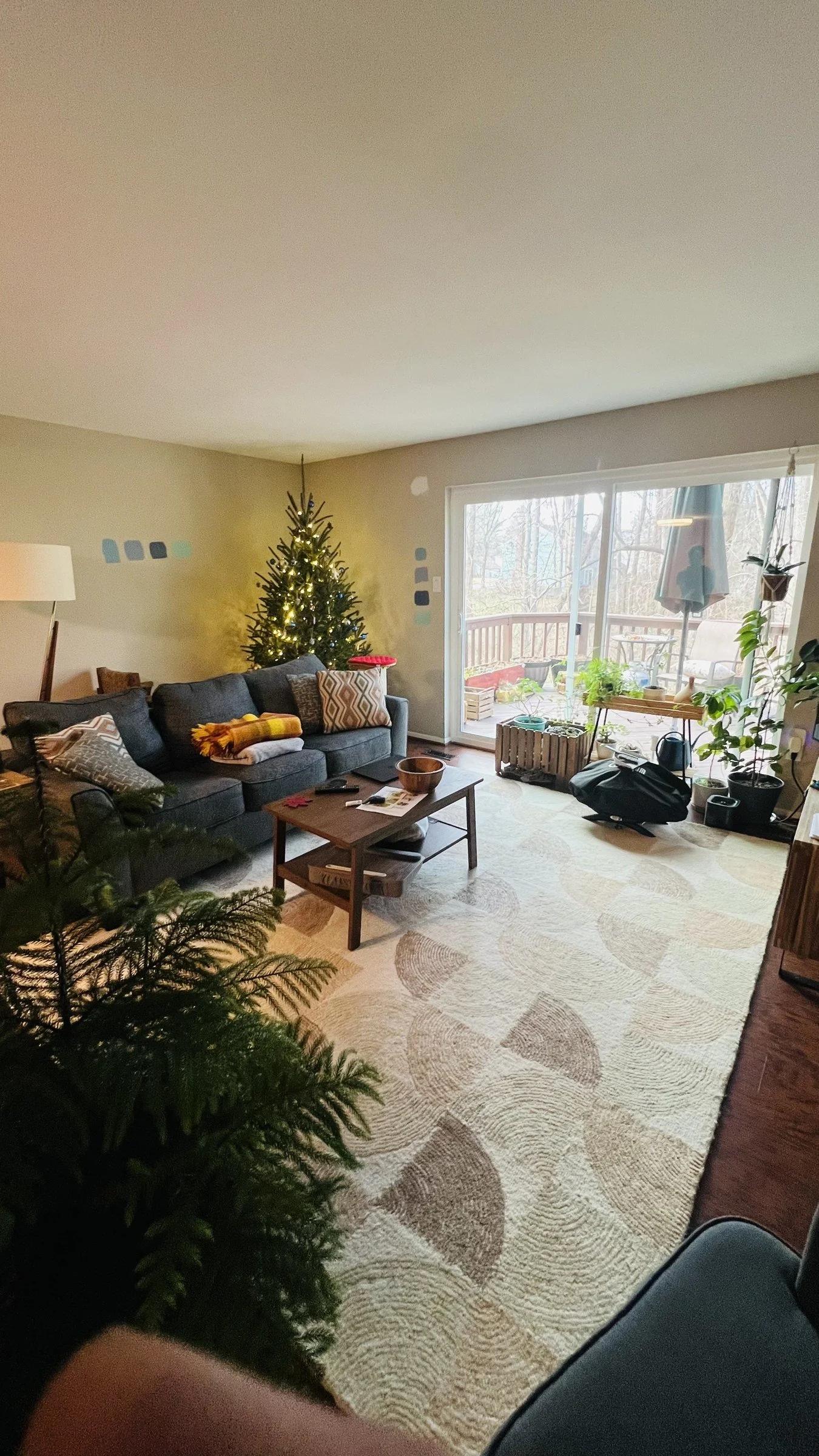
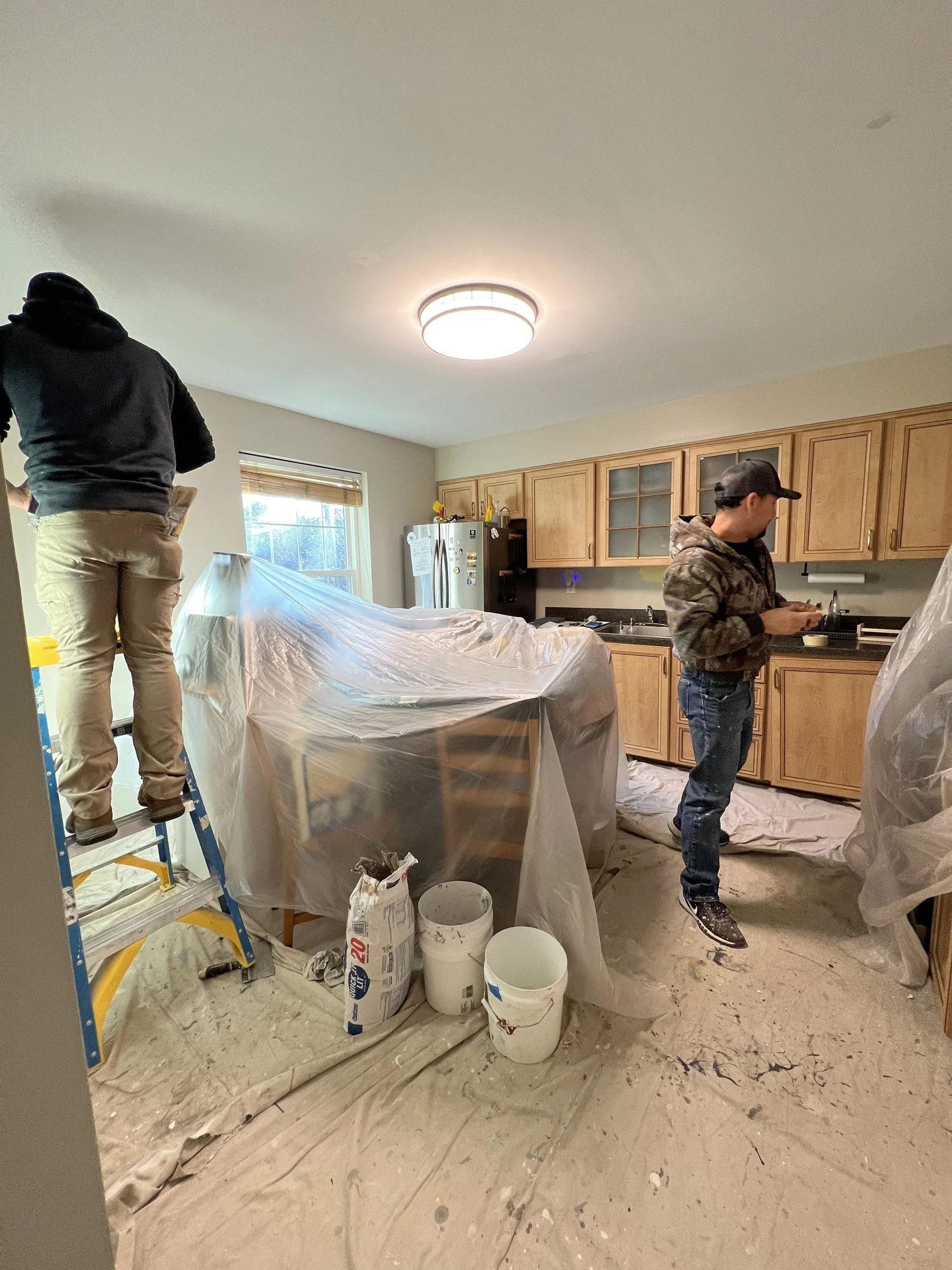
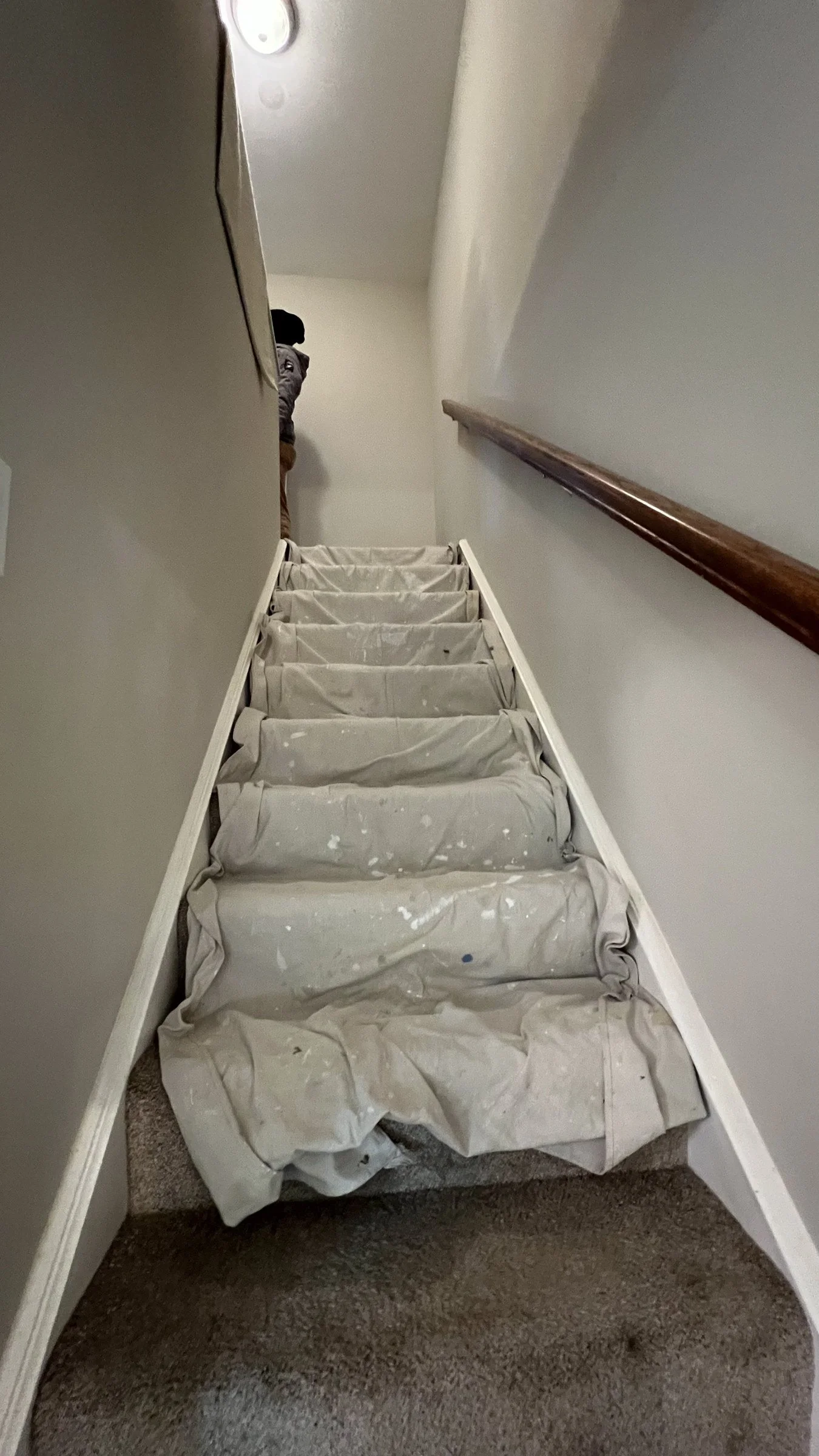
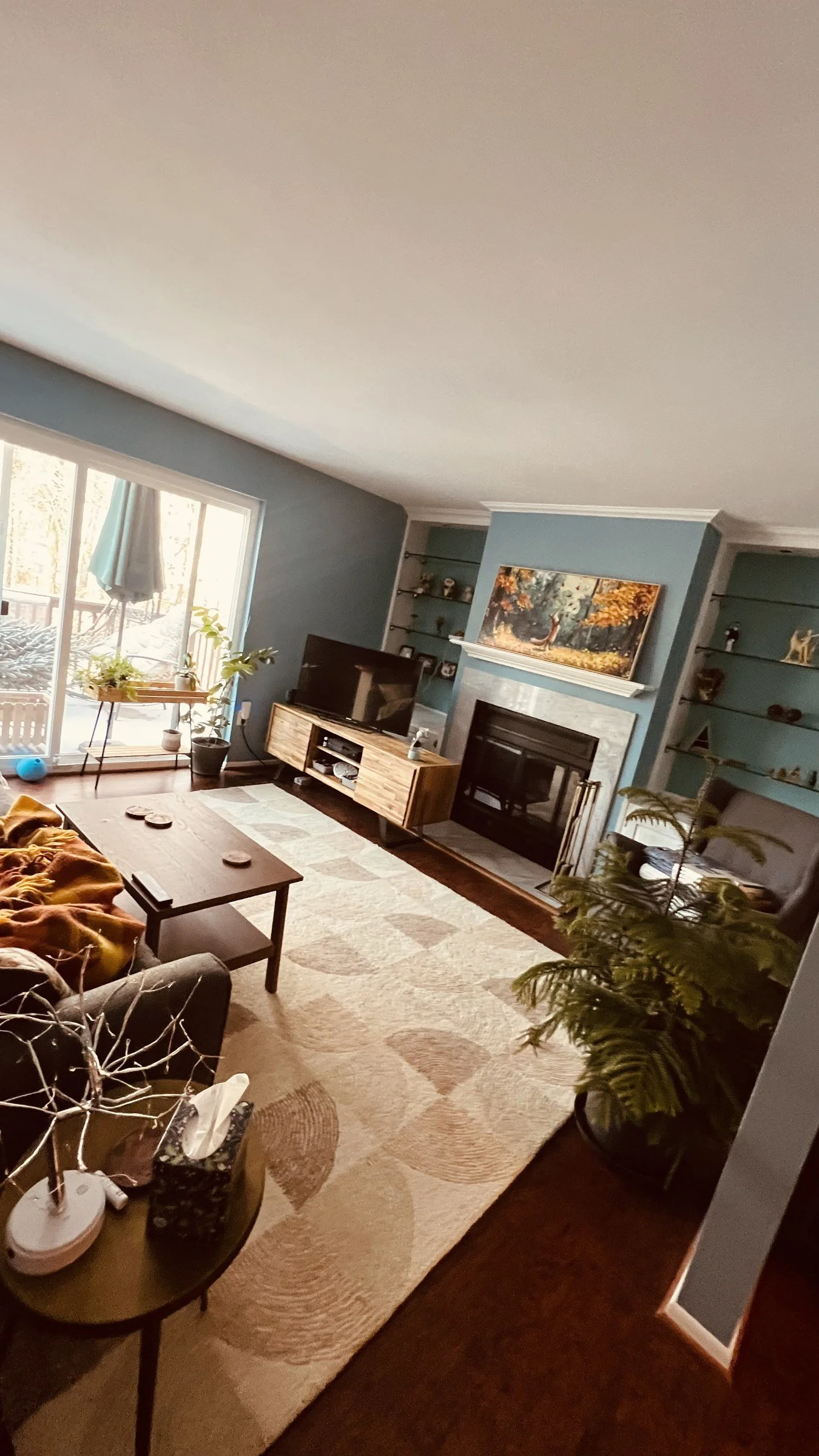
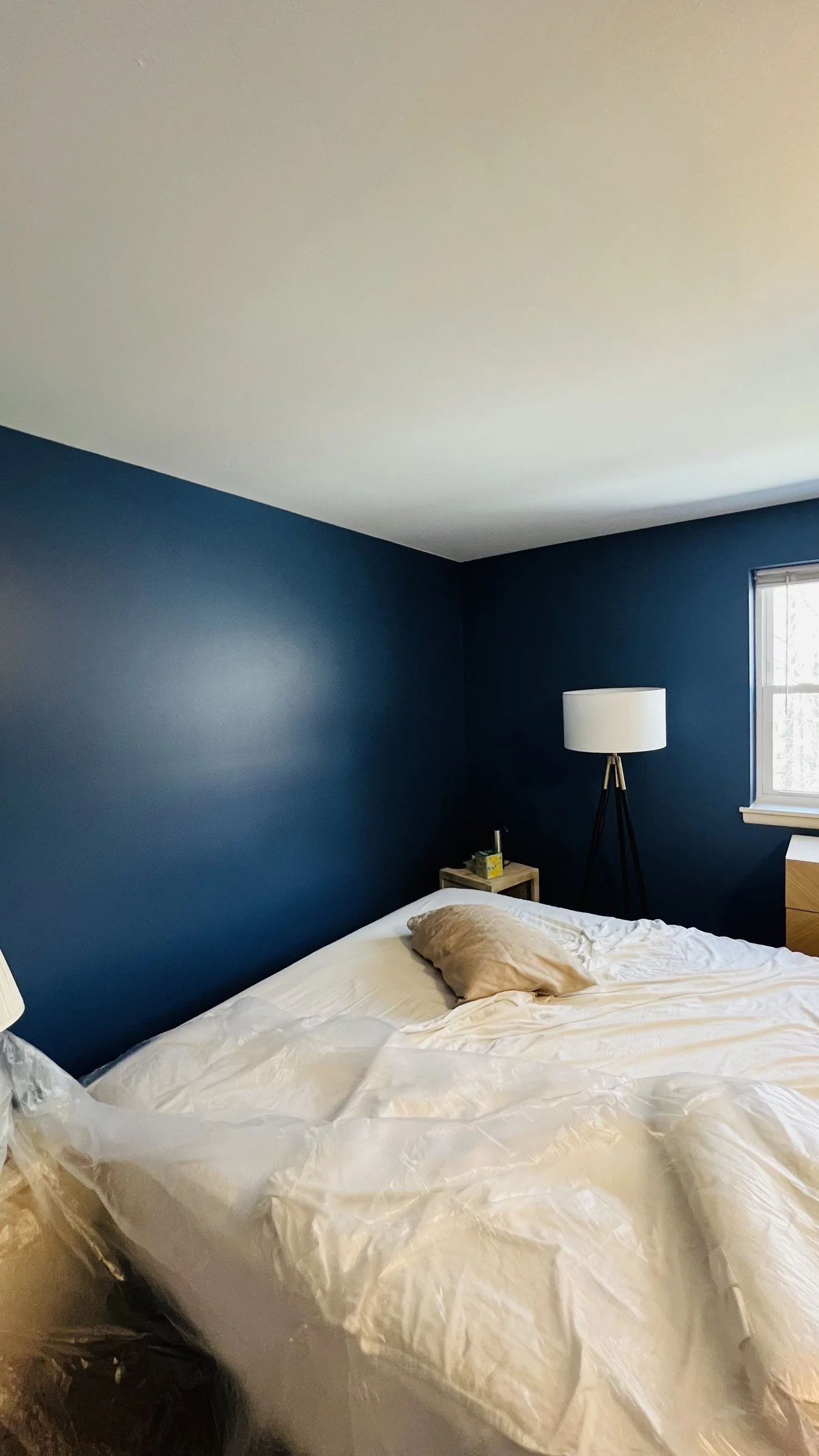
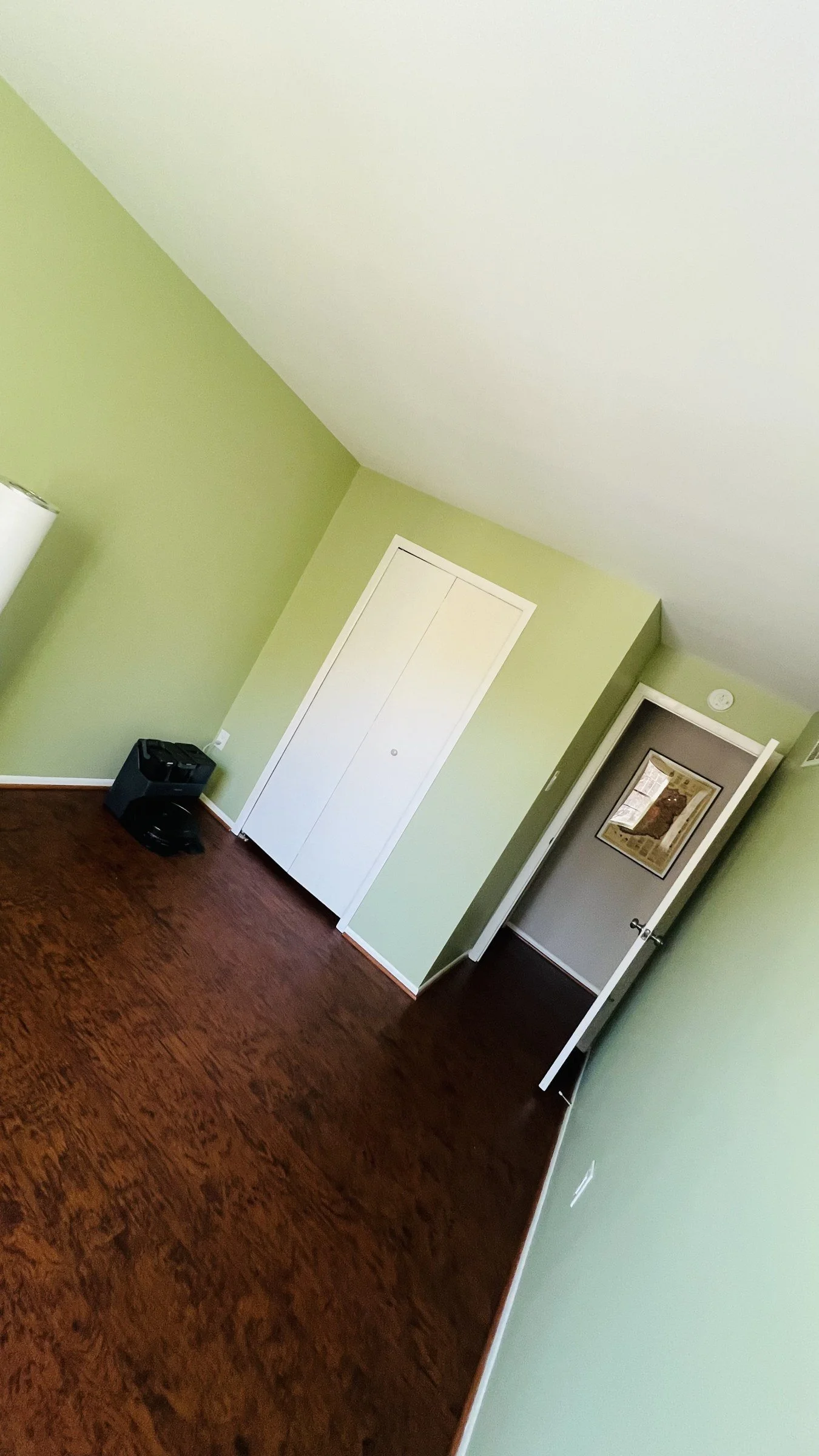
We recently worked through those questions on a real interior project in Columbia, Maryland. The photos here show the actual house before, during, and after the work. The lessons apply whether you hire Pink Flamingo, hire somebody else, or decide to tackle part of the work yourself.
1. Write the scope room by room
“Paint the first floor” sounds clear until the estimate arrives. Does that include ceilings? Baseboards? Window trim? Both sides of the doors? Closets? The stairwell? Wall repairs?
Before comparing prices, make a room-by-room list with separate decisions for:
- walls
- ceilings
- baseboards and other trim
- doors and door frames
- closets
- built-ins or shelving
- drywall or plaster repairs
- areas that are specifically excluded
Give every contractor the same list. Otherwise, two estimates that look thousands of dollars apart may simply cover different work.
2. Decide how the house needs to function during the job
If you are staying in the home, room order is not a small detail. Keep at least one comfortable living area available. Avoid disabling every bedroom at the same time. If the kitchen is included, decide when counters, appliances, and the main walkway must be accessible.
A sensible sequence usually considers:
- which rooms can be cleared first
- where the crew can safely store tools and materials
- how people and pets will move through the house
- which surfaces need drying time before furniture returns
- whether stairways or hallways are the only route between floors
On this Columbia project, the kitchen and furniture were wrapped and the stairway was protected before finish work moved through those connected spaces. That protection took time, but it kept the rest of the house from becoming part of the jobsite.
3. Agree on who moves what
Painters should protect the work area, but homeowners can prevent delays by removing the things only they should handle: medicines, valuables, fragile objects, wall art, electronics, and personal papers.
Before the start date, ask:
- Who moves large furniture?
- How far should furniture be moved from the walls?
- Who removes curtains, blinds, outlet covers, and wall-mounted televisions?
- Where will pets stay while doors are opening and equipment is moving?
- Which bathroom may the crew use?
- Where can tools and materials remain overnight?
There is no universal answer. The useful answer is the one written down before somebody arrives with a ladder.
4. Treat wall repairs as their own part of the scope
Fresh paint does not hide cracks, nail pops, loose tape, dents, or rough old patches. In many cases, it makes them easier to see.
Walk the rooms in daylight and again with a lamp shining across the wall from the side. Low-angle light reveals ridges and dents that ordinary overhead lighting misses. Mark the places you want discussed, then ask which repairs are included and which would require a change to the estimate.
Not every crack means the same thing. A painter can repair common cosmetic damage, but recurring movement, moisture staining, or a widening crack may need to be investigated before it is covered.
For homes built before 1978, paint-disturbing work deserves an additional conversation about lead-safe practices. The EPA advises homeowners planning renovation, repair, or painting work in pre-1978 homes to use appropriately certified, lead-safe professionals. Read the EPA homeowner guidance.
5. Choose colors as a connected system
A color can look good on one sample card and still fight the flooring, cabinets, fireplace, or neighboring room. Multi-room color decisions should be made through the sight lines of the house, not one room at a time on a phone screen.
Useful questions include:
- Which rooms can be seen from one another?
- Does the flooring change between spaces?
- Which fixed materials must the paint work with?
- Does the room receive cool morning light or warm afternoon light?
- Where should the palette stay quiet, and where can it carry more color?
Put real samples on more than one wall and look at them over at least a full day. On the Columbia project, the finished living room became lighter and calmer around the fireplace and built-ins, while the bedrooms could carry more distinct color without making the shared spaces feel disconnected.
6. Make the estimate explain the job, not just the price
A useful written estimate should make it possible to understand what happens next. Look for:
- the rooms and surfaces included
- the preparation and repairs included
- paint manufacturer, product line, and sheen
- whether primer is planned and where
- how color changes and additional coats are handled
- who protects floors, furniture, and fixtures
- expected crew size and working hours
- a realistic sequence or duration
- cleanup and final walkthrough expectations
- how added work is approved and priced
- warranty terms, if offered
Do not compare only the bottom line. Compare the assumptions underneath it.
7. Be realistic about DIY versus hiring help
One room with sound walls and normal-height ceilings can be a reasonable DIY project. Multiple occupied rooms, stairwells, extensive repairs, or a tight deadline change the equation.
DIY painting usually costs less in cash. The tradeoff is time spent moving, masking, patching, sanding, cleaning, cutting, coating, and putting the rooms back together. Hiring a crew is most valuable when the disruption and sequencing are as important as the brushwork.
The short homeowner checklist
Before the estimate
- List every room and surface.
- Photograph the repairs you want discussed.
- Decide which spaces must stay usable.
- Identify pets, access limits, and parking concerns.
- Gather color ideas, but wait to buy paint.
Before the start date
- Remove valuables, wall art, fragile items, and personal papers.
- Confirm furniture-moving responsibilities.
- Confirm colors, products, and sheens in writing.
- Confirm the room sequence and daily working hours.
- Keep children and pets out of active work areas.
Before final payment
- View the work in daylight and normal room lighting.
- Check the agreed repairs and included surfaces.
- Complete the walkthrough before everything is moved back.
- Save the color and product information for future touch-ups.
Planning an interior painting project in Columbia?
Pink Flamingo Painting handles walls, ceilings, trim, doors, stairways, and the common drywall or plaster repairs that should happen before the paint goes on. We serve Columbia and nearby communities throughout Howard and Montgomery Counties.